
A complete development guide for building a boutique hotel in Tulum — feasibility, design, permits, construction, and what it takes to succeed.
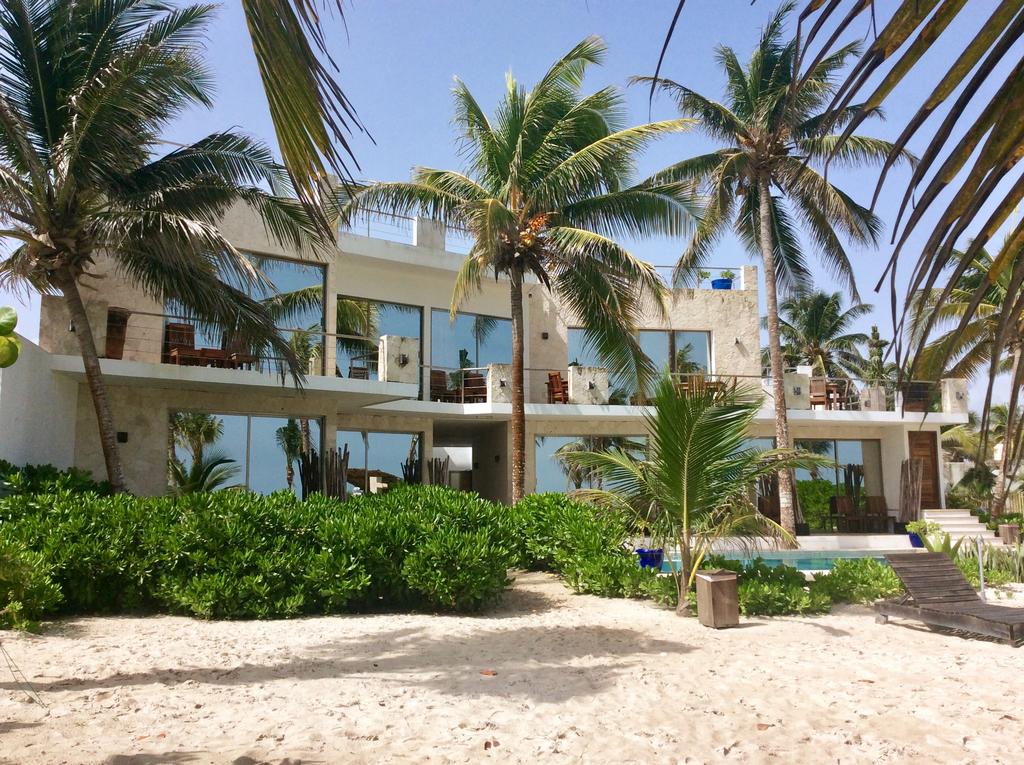
Building a boutique hotel in Tulum is one of the most complex, expensive, and potentially rewarding real estate development projects available in the Riviera Maya. The upside — a well-designed, well-located boutique hotel in Tulum can generate exceptional returns and become an internationally recognized property — is real. So is the downside: poorly conceived or executed hotel projects in Tulum struggle to achieve occupancy, carry heavy development debt, and consume management attention without delivering adequate returns.
This guide covers the complete development process for a boutique hotel in Tulum — from initial concept and feasibility through design, permits, construction, and opening. It draws on PGA's direct experience delivering boutique hotel projects in Tulum and the Riviera Maya.
Step 1: Concept and Feasibility
Before any money is spent on land or design, the project concept and its financial feasibility must be rigorously assessed. This phase answers the fundamental questions: Is this concept viable on this site, at this budget, in this market?
Concept definition: What is the hotel's identity? How many rooms? What room types and price positioning? What F&B offering? What amenities (pool, spa, fitness, activities)? Who is the target guest? These questions sound simple but require serious thought — the answers drive every subsequent design decision and determine whether the project can be financed and operated profitably.
Feasibility analysis: Given the proposed concept, what development cost is likely? What RevPAR can this concept realistically achieve in the current Tulum market? What occupancy is achievable in year 1, year 3, year 5? What is the net operating income at stabilized occupancy, and what return does that represent on total development cost?
PGA provides development feasibility analysis as part of our commercial development services — assessing site potential, developing a realistic program, and establishing financial projections before any significant capital is committed.
Step 2: Site Selection and Land Acquisition
For boutique hotels in Tulum, site selection is among the most important determinants of success. The key site criteria:
Proximity and access: Is the site walkable to beach, restaurants, and key amenities? What is the road quality and access condition? How will guests arrive?
Environmental quality: Does the site have jungle, garden setting, or other natural features that enhance the guest experience? This is as important as beach proximity for the Tulum boutique market.
Regulatory conditions: What is the zoning designation? What density, height, and use is permitted? Are there environmental restrictions that limit buildable area? Is an Environmental Impact Authorization required?
Size and configuration: Is the plot large enough to accommodate the proposed room count with adequate amenity areas, landscaping, and operational service areas? Hotel sites need more space than their room count alone suggests.
PGA reviews proposed hotel sites before purchase, providing an independent technical and regulatory assessment that identifies opportunities and constraints before capital is committed.
Step 3: Architectural Design for Hospitality
Hotel design is a specialized discipline. Great boutique hotel architecture in Tulum requires: a strong design identity — a visual and experiential concept that is distinctive, photography-worthy, and communicable in a single image; operational functionality — room layouts that work for both guests and housekeeping, service corridors that keep operational traffic separate from guest circulation, storage that allows efficient maintenance; outdoor amenity design — pools, landscaping, outdoor dining, and communal spaces that extend the guest experience beyond the room; climate performance — tropical design strategies that create comfort and atmosphere without complete reliance on mechanical systems.
PGA's architectural design services for boutique hotels incorporate all of these dimensions. The design process for a boutique hotel project typically runs 3–5 months from initial brief to construction-ready documents, depending on size and complexity.
Step 4: Permits for Hotel Projects
Boutique hotel projects in Tulum require a more complex permitting process than residential construction. In addition to the standard municipal construction license and environmental authorizations required for all projects, hotels require: civil protection approval (fire safety, emergency egress, structural safety for public occupancy), health department registration (for any F&B operation), tourism secretariat registration (for legal hotel operation), and in some cases, additional environmental monitoring requirements during construction.
The permitting timeline for a boutique hotel project in Tulum — from complete design documentation to all permits in hand — is typically 6–12 months. Projects with complex environmental situations can take longer. PGA manages the full permits and legal structuring process for hotel projects, coordinating all relevant authorities and maintaining permit compliance through construction and opening.
Step 5: Construction Management
Hotel construction requires higher levels of coordination and quality control than residential construction. The variety of trades involved — structural, MEP (mechanical, electrical, plumbing), specialist finishes, pool construction, landscaping, FF&E installation — and the sequential dependencies between them require experienced project management to keep schedule and cost under control.
PGA's construction management services for hotel projects include: pre-construction planning and contractor procurement, on-site supervision and quality control throughout all construction phases, cost management and reporting, coordination of specialist trades and suppliers, and FF&E procurement and installation management. Construction duration for a 10–20 room boutique hotel in Tulum is typically 14–20 months from groundbreaking to completion.
Step 6: Pre-Opening and Launch
A hotel is not ready for guests on the day construction completes. Pre-opening preparation — staff recruitment and training, systems setup, soft furnishing installation, photography, marketing material creation, OTA (online travel agency) profile setup, and soft opening — requires 6–12 weeks after construction handover.
Investing in professional photography immediately after the project is complete is among the highest-ROI expenditures in the hotel development process. In Tulum's market, visual content drives booking decisions on every distribution channel. A hotel without exceptional photography will underperform regardless of how good the physical product is.
If you are planning a boutique hotel in Tulum and want a development partner who understands the full process from feasibility through opening day, contact Roberto Carli to discuss your project. PGA's commercial development and boutique hotel architecture services cover every phase of the development journey.
Want to take the next step?
→ Commercial Development & Hotels
Contact Roberto Carli: info@robertocarlipga.com | +52 984 144 2963


contact us
if you have any suggestion or desire for cooperation, feel free to contact us via our contact details or contact form
Progetti Globali di Architettura
if you have any suggestion or desire for cooperation, feel free to contact us via our contact details or contact form