
Choosing an architect in Tulum is one of the most important decisions in any construction project. These 10 questions help you evaluate any firm.

Choosing an architect in Tulum is consequential. The right architect protects your investment, guides you through a complex regulatory and construction environment, and produces a building that performs — aesthetically, functionally, and financially — for the life of the project. The wrong architect creates problems that are expensive, time-consuming, and often irreversible.
Tulum has no shortage of architectural services to choose from — established studios, individual practitioners, online platforms offering drawings at low fixed prices, and general contractors who offer design as a bundled service. How do you distinguish between them?
The following ten questions cut through marketing language and surface-level impressions to reveal what you actually need to know before signing any architectural service agreement.
1. Can I see completed projects similar to mine?
Not renderings. Not projects under construction. Completed, occupied, photographed projects similar in type and scale to what you want to build. Every architect shows their best renderings on their website. Completed projects tell a different story — they reveal whether design intent was actually achieved through construction, what the real quality of workmanship looks like, and whether the studio can deliver the full range of what they propose.
If the architect cannot show you completed projects similar to yours, ask why. A valid answer might be 'we have completed similar projects but clients prefer privacy' — in which case, ask to be connected with a reference client for a direct conversation. An invalid answer is a portfolio of renderings presented as evidence of capability.
2. Who will actually be working on my project?
In many architecture studios, the principal architect who wins the client and the person who actually designs and manages the project day-to-day are different people. This is not inherently a problem — a well-managed studio can deliver excellent work through junior staff under senior guidance — but you should understand the structure.
Ask specifically: Who will design my project? Who will manage the permit process? Who will supervise construction on site? How often will the lead architect personally visit my site during construction? If the answer to all of these is 'the principal architect' for a large studio with many simultaneous projects, probe further — it may not be realistic.
3. Do your services include construction supervision, or design only?
This question alone eliminates a large portion of the architectural services available in Tulum. Many practitioners offer design-only services — they produce drawings but do not supervise the construction that is built from them. For a foreign investor who cannot be present on site daily, design-only services are significantly riskier than integrated design-and-supervision services.
The value of having your architect on site during construction cannot be overstated. Design decisions made in drawings rarely transfer perfectly to construction without interpretation and adaptation. An architect who is present during construction maintains design quality, resolves technical questions in real time, and protects the client's interests in contractor relationships.
4. How do you handle permits?
Ask specifically: Do you manage permit applications in-house or refer clients to external consultants? Have you submitted permits successfully for projects similar to mine in Tulum specifically? How long do permits typically take on your projects? What happens if a permit application is rejected — who handles the response and what is the cost?
An architect who has not navigated the Tulum permit process specifically — including the environmental authorization requirements that apply to many Riviera Maya projects — is not the right choice for a project in this region.
5. What is your relationship with contractors, and how do you select them?
Ask how the architect selects and manages construction contractors. Do they have established relationships with specific contractors, or do they recommend putting work out to competitive tender for each project? How do they manage the contractor relationship during construction — what is their authority to reject work, stop the build, or require remediation of defects?
An architect who has no relationships with the local construction community and no experience managing contractors in Tulum's specific market context adds little value in the construction phase.
6. Can you provide references from foreign clients you have worked with?
If you are a foreign investor managing a project remotely, the most relevant reference is from another foreign client who managed a project remotely with this architect. Ask for at least two references and actually contact them. Ask them: Was the project delivered on time and within budget? How was communication during construction? Were there any significant problems, and how were they handled? Would you use this architect again?
7. How do you handle cost control during construction?
One of the most common problems in Tulum construction projects is cost overrun — budgets set at the design stage that are significantly exceeded by the time the project completes. Ask the architect how they approach cost management: Do they provide independent cost estimates at design stage? How do they price and manage variation orders during construction? What is their process when a contractor submits a cost claim beyond the agreed budget?
8. What is included in your fee, and what will cost extra?
Get a complete written breakdown of what is included in the proposed fee before signing. Common areas of ambiguity: Are structural engineering and MEP engineering included? Is the environmental impact assessment (if required) included? Are permit application fees included? Is interior design included or separate? Are construction site visits charged per visit or included in a supervision retainer?
Understanding the total cost of professional services — not just the headline design fee — allows accurate comparison between proposals.
9. How do you communicate with remote clients during construction?
For foreign investors, this is non-negotiable. Ask specifically: What is the frequency of written progress reports? Do reports include photographs? Is there regular video walkthrough documentation? How quickly do you respond to WhatsApp or email questions? Are video calls available outside Mexican business hours?
An architect who has no structured remote communication protocol has not worked with foreign clients in a systematic way.
10. What makes your studio different from other architects in Tulum?
Listen carefully to the answer. Generic answers about 'passion,' 'experience,' and 'design excellence' tell you nothing specific. The most informative answers describe a concrete differentiation: a specific design methodology, a particular material expertise, an integrated service that competitors do not offer, a specific track record in a particular project type.
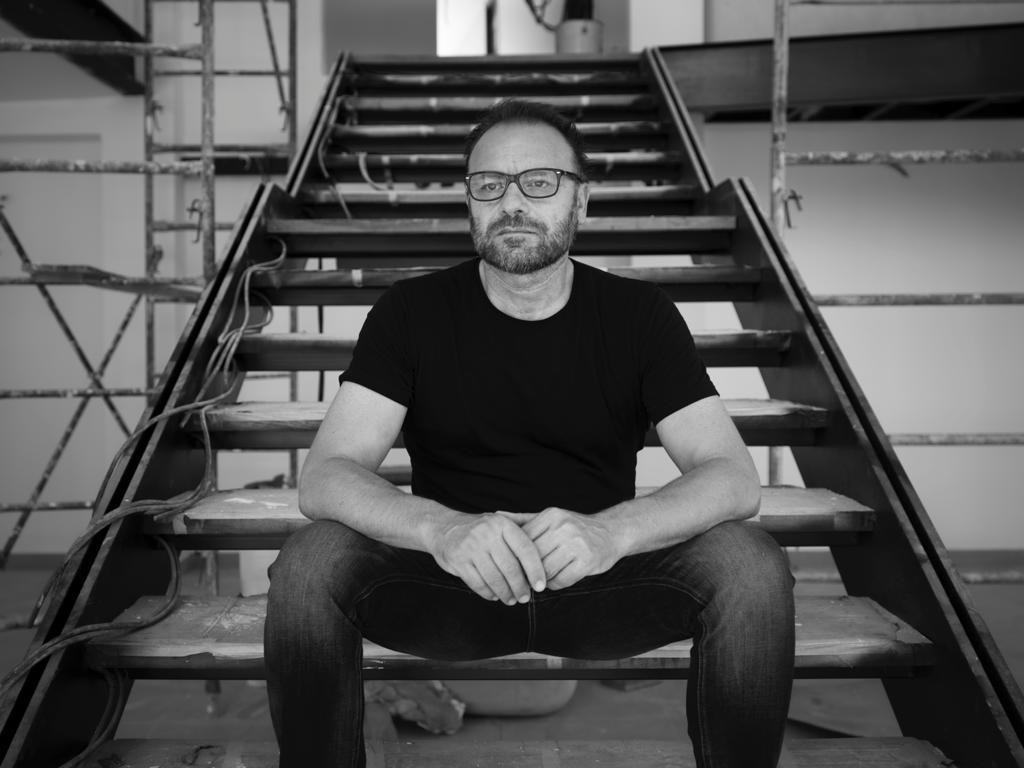
At PGA, Roberto Carli's answer to this question is consistent: the studio provides genuinely integrated architectural design, construction management, permits, and development services under direct leadership — one person responsible for the complete project, with the experience of an architect and the perspective of a developer. That integration is the specific value PGA offers in the Tulum market.
If you are in the process of choosing an architect in Tulum, PGA would welcome the conversation. Explore our architectural design services, review our completed projects, and contact Roberto Carli directly to discuss your project.
Want to take the next step?
→ Architectural Design Services
Contact Roberto Carli: info@robertocarlipga.com | +52 984 144 2963


contact us
if you have any suggestion or desire for cooperation, feel free to contact us via our contact details or contact form
Progetti Globali di Architettura
if you have any suggestion or desire for cooperation, feel free to contact us via our contact details or contact form