
Separating architecture and construction in Tulum often costs more than it saves. Here's why integrated design-build firms reduce cost and improve quality.

The traditional model of building procurement — hire an architect for design, then hire a contractor for construction, then manage the relationship between the two — is the dominant approach in most developed real estate markets. In Tulum, this model is particularly prone to failure, for reasons rooted in the specific conditions of the Riviera Maya construction market.
An increasing number of Tulum investors — particularly foreign buyers building for the first time in Mexico — are choosing integrated architecture and construction firms: studios that provide design, permit management, construction supervision, and project oversight as a unified service under single leadership. This article explains why, and specifically why the integrated model tends to produce better outcomes at lower total cost in the Tulum context.
Where the Traditional Model Breaks Down
In a mature construction market — with well-defined contracts, robust dispute resolution, professional indemnity insurance, and established industry practices — the separation of architect and contractor can work well. Each party has defined responsibilities; disputes have clear resolution mechanisms.
Tulum is not that market. The Riviera Maya construction sector is relatively young, contracts are frequently informal, enforcement is difficult, and the technical sophistication of many contractors is limited. In this environment, the gap between the architect and the contractor is not just a coordination interface — it is a fault line along which problems accumulate.
The most common consequences: The architect's drawings cannot be built as drawn, and the contractor makes unilateral substitutions that the absent or uninvolved architect never reviews. Cost claims arrive mid-build for items the client assumed were included in the original price. Quality problems are attributed to design rather than construction (or vice versa) with no clear accountability. The client becomes a referee in disputes between parties who are supposed to be working toward the same goal.
What Integration Actually Means
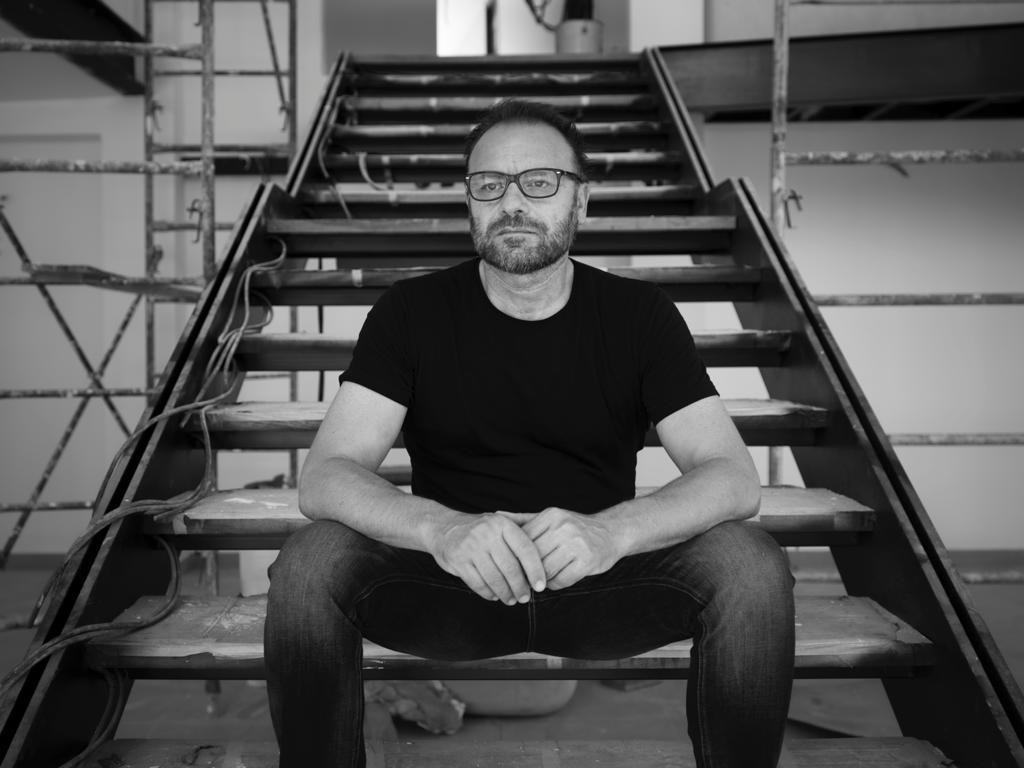
When PGA describes integrated architecture and construction services, it means something specific: Roberto Carli leads the design process and also leads the construction supervision. The person who made the design decision is the same person who sees it built.
This creates several concrete advantages:
Design decisions are made with full awareness of their construction implications. An architect who has spent time on construction sites knows which design ideas are buildable at the specified cost and which will generate cost claims. This knowledge changes design decisions in ways that save money without compromising quality.
Construction problems are recognized and resolved quickly. When the person supervising construction is the same person who drew the details, ambiguities are resolved immediately based on design intent rather than contractor convenience.
There is one point of accountability. The client does not need to adjudicate between the architect's claims and the contractor's counter-claims. There is one party responsible for the complete outcome.
Concrete Cost Savings from Integration
The cost savings from integrated architecture and construction are real and measurable. Areas where integration typically reduces total project cost:
Reduced variation orders: Variation orders — contractor claims for work outside the original scope — are the primary mechanism through which construction costs escalate beyond initial budgets. Well-coordinated, buildable drawings produce fewer variation claims. An architect who supervises construction can distinguish legitimate variations from opportunistic ones and has the authority to contest the latter.
Better contractor pricing: Contractors pricing well-detailed, comprehensive drawings can give more accurate and more competitive prices than those pricing incomplete or ambiguous documentation. The savings from accurate initial pricing typically exceed any premium in professional fees.
Faster problem resolution: Construction problems that wait for formal communication between separate architect and contractor parties take time and money to resolve. Problems that are resolved immediately at site level by an integrated team cost far less.
Reduced client management time: For foreign investors managing projects remotely, the time cost of managing separate relationships with an architect and a contractor is significant. An integrated firm eliminates this overhead.
When Does Integration Make Most Sense?
The benefits of integration are most pronounced in projects with high design complexity, projects being managed by remote or first-time clients, projects in unusual or sensitive regulatory environments, and projects where the client's time is valuable and they want minimal management overhead.
For straightforward, small-scale construction projects — a simple extension, a basic interior fit-out — the overhead of a fully integrated firm may not be justified and a simpler arrangement may be adequate.
For the project types that represent most of PGA's work — private villas, boutique hotels, commercial developments, renovation projects for foreign investors — the integrated model is clearly superior in terms of quality, cost control, and client experience.
PGA's Integrated Services
PGA was structured from the outset as an integrated architecture and construction studio. Roberto Carli leads both the design and construction phases of every project, supported by the PGA team for on-site supervision, permit coordination, and project reporting.
Clients receive: architectural design developed with construction reality in mind, permit management handled in-house, construction supervision by the same team that designed the building, single-point accountability for the complete project outcome, and structured communication for remote clients throughout the process.
If you are planning a project in Tulum or the Riviera Maya and want to understand what integrated services would mean for your specific situation, contact Roberto Carli for a direct conversation. Explore our construction management services and architectural design services to understand the full scope of what we offer.
Want to take the next step?
→ Architectural Design Services
Contact Roberto Carli: info@robertocarlipga.com | +52 984 144 2963


contact us
if you have any suggestion or desire for cooperation, feel free to contact us via our contact details or contact form
Progetti Globali di Architettura
if you have any suggestion or desire for cooperation, feel free to contact us via our contact details or contact form